Mon to Fri, 8:00am to 5:00pmUtalii Court, Gesora Road, Nairobi

+254 184 379 590+254 719 450 317 Altinfo@gstechguard.co.ke

Inspections · gap reports · corrective work

Fire Safety Audit Support for Readiness and Risk Reduction

Our fire safety audit support in Kenya prepares your building for the statutory fire safety audit and reduces real fire risk. We inspect alarms, emergency lighting, suppression and escape routes, give you a clear gap report with priorities, and carry out the corrective work so you face the audit with confidence.

  • Pre-audit inspection of fire systems and escape routes
  • Gap report ranked by risk, with prices
  • Corrective works and records ready for the auditor
Safety officer inspecting fire equipment during fire safety audit support in Kenya

Most workplaces in Kenya need a fire safety audit every year. Many owners only think about it when the deadline arrives, and then discover a list of problems: a fire alarm panel showing faults, dead emergency lights, missing signs and blocked exits. Fixing everything in a rush is stressful and expensive. Our fire safety audit support spreads that work out and makes sure the systems actually protect people, not just pass an inspection.

Please note an important point about scope. GS TechGuard provides audit support. We inspect, report and fix. The statutory fire safety audit itself must be carried out and signed by a fire safety auditor approved under Kenyan occupational safety law. We work alongside your auditor, and we can recommend one if you do not already have a relationship.

Why choose us

Why a fire safety audit matters

Technician in a hard hat fitting a ceiling fire alarm device

The Factories and Other Places of Work (Fire Risk Reduction) Rules, 2007, made under the Occupational Safety and Health Act, 2007, set out fire safety duties for workplaces. Among other things, they require occupiers to manage fire risks, provide firefighting equipment and means of escape, train staff, hold drills and arrange an annual fire safety audit by an approved auditor. The audit report then goes to the Directorate of Occupational Safety and Health Services.

Beyond the law, a fire safety audit protects lives and property. It also matters for insurance, because insurers increasingly ask for audit reports and maintenance records before renewing cover.

Support and maintenance

What our fire safety audit support covers

So our support focuses on the technical systems and physical conditions an auditor will examine.

Area What we check
Fire detection and alarm Panel status, faults, detector coverage, call points, sounder levels, battery standby, logbook
Emergency lighting Coverage of escape routes, exit signs, battery duration, test records
Means of escape Exit routes clear, doors opening outward where needed, signage, door releases
Firefighting equipment Extinguisher types and positions, service labels, hose reels, access
Suppression systems Gas cylinders, pressure, detection links, room integrity, records
Electrical risks Overloaded sockets, exposed wiring, poor housekeeping near panels
Records and training Logbooks, drill records, fire marshal lists, evacuation plans

For each area, we note what works, what is missing and what needs repair.

Fire Safety Audit Support

Systems we inspect in detail

Also, because we install these systems ourselves, our inspections go deeper than a visual check.

  • Fire alarm: we test a sample of detectors and call points, confirm sounders reach every area and check the panel event log for recurring faults.
  • Emergency lighting: we run a short test on every fitting and identify units with weak batteries.
  • Door releases: we confirm electronically locked escape doors open when the alarm sounds.
  • Suppression: we check cylinder pressures, control panels and room seals.
  • Voice evacuation and PA: we confirm messages play clearly in every zone.

Where a system has no records at all, we create a baseline so future checks have something to compare against. Our fire alarm installation and emergency lighting teams handle any upgrades the inspection reveals.

Fire extinguisher inspection with checklist in a warehouse
Every item in the fire safety audit gap report has a clear priority and price.

Fire Safety Audit Support

The report you receive

After the inspection, you then receive a written gap report. It is designed for managers, not only engineers.

  1. Summary. A one-page overview of the building's readiness, with the most urgent risks first.
  2. Findings. Each issue with a photo, location and plain-language description.
  3. Priority. Every item ranked as urgent, important or improvement.
  4. Corrective action. What needs to happen, who should do it and a fixed price where we can do the work.
  5. Records list. The documents your auditor will ask for, and which are missing.

As a result, you can plan and budget the work properly, rather than reacting to an audit report later.

Safety officers checking fire extinguishers on a warehouse floor

Fire safety

How this fits statutory fire safety audit requirements

Think of our work in three stages around the statutory fire safety audit:

  • Before the audit: we inspect, report and fix gaps, then organise your records.
  • During the audit: we can attend to demonstrate systems and answer technical questions from the auditor.
  • After the audit: we carry out corrective actions listed in the auditor's report and provide evidence of completion.

This approach keeps responsibilities clear. The approved auditor provides the independent statutory assessment, and we provide the technical work. If you want more background, read our guide to what the yearly audit rules require.

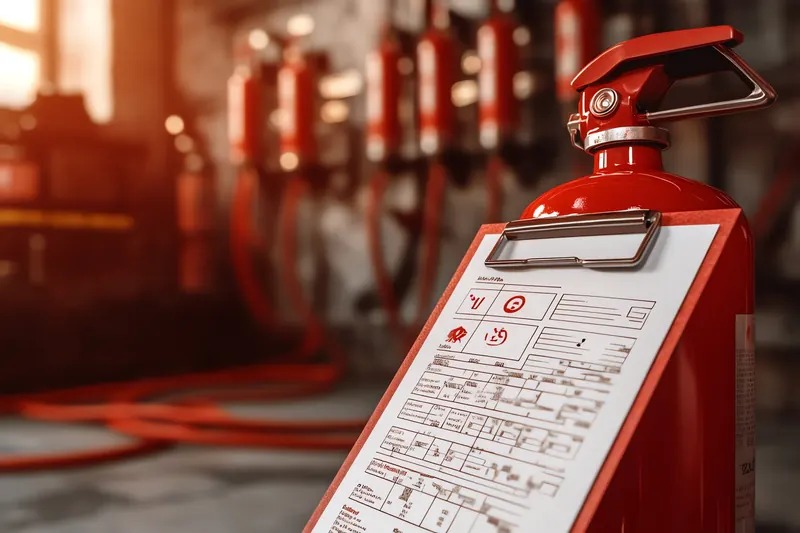
Fire extinguisher with an inspection checklist

Common problems

Common findings in Kenyan workplaces

Most of these are quick and affordable to fix. However, left alone, any one of them could cost lives.

Fire Safety Audit Support

Corrective works

Once you approve the report, our technicians then carry out the work. Typical corrective jobs include fault repairs on alarm panels, adding detectors to new rooms, replacing emergency light batteries, fitting exit signs, rewiring door releases and setting up logbooks. For extinguisher servicing and refills, we work with specialist service providers where needed.

Each completed item gets a photo and a short note, so you have evidence for the auditor and your files.

How it works

Preparing your documents

If any of these are missing, we help you create them. For example, we can draw simple floor plans with exits and equipment marked, or set up a logbook format your staff will actually use. As a result, the auditor sees a well-run building, and the audit itself goes faster.

Keeping ready all year

A fire safety audit should not be a once-a-year scramble. With a fire alarm maintenance plan, your systems are inspected every six months, faults are repaired promptly and records stay up to date. Therefore, when audit time comes, most of the work is already done.

We also recommend simple routines for your own staff: weekly call point tests, monthly emergency light checks, monthly exit route walks and at least one drill a year. We can train your fire marshals on these routines.

How to book fire safety audit support

Send us your building address, approximate floor area, number of floors and the date of your next statutory fire safety audit. We will arrange an inspection, usually within a few working days, and deliver the gap report soon after. For the bigger picture of fire protection in your building, see our fire safety systems overview, or request a quote now.

Get started

Book a site survey

Tell us about your site and an engineer will call you back within one working day to discuss your needs and arrange a visit.

  • Clear, itemised written quote
  • Security, network, fire and power from one team
  • Support and maintenance after handover

Prefer to talk? Call +254 184 379 590

We reply within one working day. Or call +254 184 379 590.

Frequently asked questions

Is this a statutory fire safety audit?

No. GS TechGuard provides fire safety audit support: inspection, gap reports and corrective works. The statutory audit must be carried out and signed by an approved fire safety auditor. We work alongside your auditor and can help you find one, so the technical side is ready when they arrive.

How often is a fire safety audit required?

The Fire Risk Reduction Rules, 2007, call for an annual fire safety audit of workplaces by an approved auditor. Some sites, insurers or landlords may expect additional reviews after major changes, such as a renovation or a change of use. Check current requirements with your auditor and the Directorate of Occupational Safety and Health Services.

What happens after the audit?

The auditor's report lists recommendations. We can carry out the technical corrective actions, such as alarm repairs, extra detectors, emergency lighting and door releases, and provide photos and notes as evidence. A maintenance plan then keeps systems in good order until the next audit.

How long does an audit support inspection take?

A small office or shop usually takes half a day. Larger buildings, factories and campuses can take one to three days. You receive the written gap report within a few working days after the visit, with priorities and prices for each corrective action.

Areas we serve

Installed and supported across Kenya

Our Nairobi team travels to sites countrywide. Choose your town for local details.

Planning a project or fixing a fault?

Tell us about the site. We will arrange a survey, give you a clear written quote and explain the options in plain language.

CallWhatsAppAsk usQuote