Mon to Fri, 8:00am to 5:00pmUtalii Court, Gesora Road, Nairobi

+254 184 379 590+254 719 450 317 Altinfo@gstechguard.co.ke

Fire and safety

Fire safety audit requirements in Kenya: what workplaces need to know

A plain-language guide to fire safety audit requirements in Kenya, covering who needs an audit, how often, what the auditor looks at, the records to prepare and how to fix gaps before and after the audit.

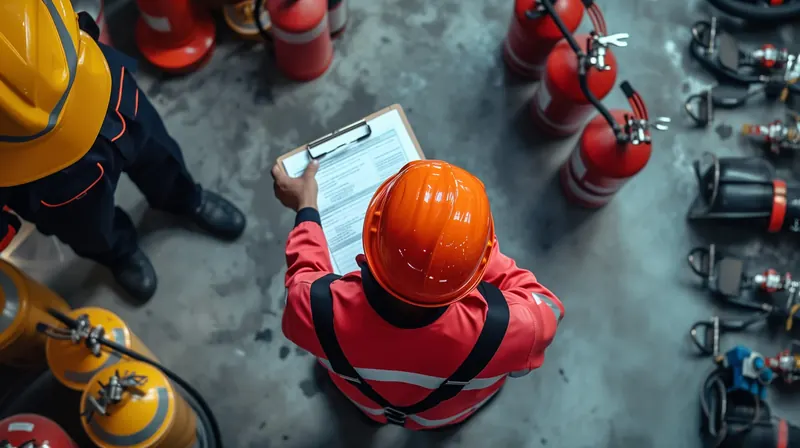
Safety officer inspecting equipment against fire safety audit requirements

Quick answer

Kenyan workplace rules call for an annual fire safety audit by an approved fire safety auditor. The auditor reviews your fire risks, equipment, escape routes, training, drills and records. Preparing early, and fixing gaps before the visit, makes the audit faster and the report cleaner.

Fire safety audit requirements in Kenya can seem confusing, especially for small and medium businesses facing their first audit. Yet the core idea is simple: once a year, an approved auditor checks that your workplace manages fire risk properly, and you act on the findings. This guide explains the requirements in plain language, what auditors usually look at and how to prepare. It is general guidance, not legal advice, so confirm details with your auditor. For practical help, see our fire safety audit support, part of our wider fire safety systems work.

Fire safety audit requirements in Kenya

Important note on scope

GS TechGuard provides audit support: we inspect your fire systems, prepare a gap report and carry out corrective works. However, the statutory fire safety audit itself must be carried out and signed by a fire safety auditor approved under Kenyan occupational safety law. We work alongside your auditor and can help you find one.

Coverage

Where fire safety audit requirements come from

Safety officers checking fire extinguishers on a warehouse floor

Workplace fire safety in Kenya falls under the Occupational Safety and Health Act, 2007. Under that Act, the Factories and Other Places of Work (Fire Risk Reduction) Rules, 2007, set out duties for occupiers of workplaces. Among other things, the rules cover fire risk management, firefighting equipment, means of escape, training, drills and an annual fire safety audit by an approved auditor. The Directorate of Occupational Safety and Health Services oversees these rules and receives audit reports.

In addition, county governments, building approvals, landlords and insurers may set their own fire safety expectations. Therefore, your obligations may go beyond the yearly audit.

Who needs a fire safety audit?

In general, the rules apply to workplaces registered under the Act, such as offices, factories, warehouses, shops, hotels, schools, hospitals and other places where people work. If you are unsure whether your premises are covered, ask an approved auditor or the Directorate.

How often is the audit required?

The fire safety audit requirements call for an audit at least once a year. Many organisations also review fire safety after major changes, such as a renovation, a change of use or a new process with higher fire risk. Insurers and landlords may ask for their own inspections too.

Rules and standards

What auditors typically look at

Each auditor has their own approach. However, most fire safety audits cover similar areas.

Area What the auditor typically checks
Fire risk Hazards, sources of ignition, flammable materials, housekeeping
Fire safety policy A written policy and named responsible people
Detection and alarm Coverage, function, maintenance records
Firefighting equipment Extinguishers, hose reels and hydrants: type, location, servicing
Means of escape Clear routes, exits that open easily, signs and emergency lighting
Training and drills Fire marshals, staff training and drill records
Storage Safe storage of flammable liquids and gases
Electrical safety Condition of wiring, overloaded sockets, distribution boards
Records Logbooks, service reports, previous audit actions

As a result, an audit is about systems and behaviour, not only equipment.

Fire extinguisher check in a warehouse
Auditors check equipment, records and escape routes against fire safety audit requirements.

Fire safety

Records for fire safety audit requirements

If any record is missing, start keeping it now. Even a short history shows the auditor that you take fire safety seriously.

Fire safety

Common gaps against fire safety audit requirements

Fortunately, most of these are straightforward to fix before the audit. Our fire alarm maintenance checklist helps with the alarm side.

How to prepare: a timeline

Two to three months before. First, book your approved auditor. Next, arrange a pre-audit inspection of your fire systems, so you have time to fix gaps. Finally, review last year's report and confirm every action is complete.

One month before. Complete corrective works, such as replacing failed emergency lights or repairing alarm faults. In addition, hold a fire drill and record it, and refresh fire marshal training.

One week before. Gather records in one file, walk escape routes to confirm they are clear and test the fire alarm and emergency lighting.

On the day. Make a responsible person available to accompany the auditor, answer questions and provide records.

After the audit

The auditor issues a report with findings and recommendations. Typically, the report goes to the Directorate, and you should keep a copy. Then, act on each recommendation, assign a responsible person and set a date. Keep evidence of every action, because next year's auditor will ask about it.

In practice, the period after the audit is where real safety improves. Therefore, treat the report as a plan, not a certificate to file away. In addition, share the findings with fire marshals and managers, because people act faster on risks they understand. Finally, review progress every quarter, so nothing is left until the week before the next audit.

Costs linked to fire safety audit requirements

Budgets often decide how quickly gaps close. So plan for three types of cost. First, the auditor's fee, which depends on the size and complexity of the premises. Second, routine maintenance, such as fire alarm servicing, extinguisher servicing and emergency lighting tests. Third, corrective works found during the audit, such as new emergency lights, extra detectors or exit door hardware. In addition, set aside a small contingency, because older buildings often reveal hidden problems. Our fire alarm cost guide and security systems price guide give indicative ranges for common works.

Landlords, tenants and shared buildings

In shared buildings, responsibilities can overlap. Typically, the landlord manages shared systems such as the main fire alarm, stairwells and hydrants, while each tenant manages its own space, staff training and drills. However, leases differ, so check yours. In practice, the best results come when landlord and tenants share records, coordinate drills and agree who fixes each finding. Otherwise, audit findings may bounce between parties while risks remain.

Fire safety audit requirements in Kenya

Keeping ready all year

As a result, each audit becomes a check of a working system rather than a scramble.

Fire safety

Fire safety audit requirements by sector

  • Offices. Escape routes, alarm coverage, emergency lighting and drills are the main focus.
  • Factories and warehouses. Process risks, flammable storage, high-roof detection and hydrants need attention.
  • Hotels. Guest rooms, kitchens and laundries carry particular risk.
  • Schools. Dormitories, laboratories and kitchens need special care, along with regular drills.
  • Hospitals. Phased evacuation and patients who cannot move quickly make planning critical.

Fire safety audit requirements in Kenya

How GS TechGuard helps

We support you before and after the statutory audit. First, we inspect your fire alarm, emergency lighting, suppression and escape route systems and deliver a clear gap report. Then we carry out corrective works, such as fire alarm installation and emergency lighting upgrades. Finally, we provide maintenance that keeps records in order for next year.

To prepare for your next audit, request audit support.

Get started

Book a site survey

Tell us about your site and an engineer will call you back within one working day to discuss your needs and arrange a visit.

  • Clear, itemised written quote
  • Security, network, fire and power from one team
  • Support and maintenance after handover

Prefer to talk? Call +254 184 379 590

We reply within one working day. Or call +254 184 379 590.

Frequently asked questions

How often is a fire safety audit required in Kenya?

The Fire Risk Reduction Rules, 2007, call for a fire safety audit of workplaces at least once a year by an approved fire safety auditor. Some sites also review fire safety after major changes. Confirm current requirements with your auditor.

Who can carry out the statutory fire safety audit?

The statutory audit must be carried out and signed by a fire safety auditor approved under Kenyan occupational safety law. GS TechGuard provides audit support, inspection, gap reports and corrective works, alongside your auditor.

What records should we prepare for the audit?

Prepare your fire safety policy, the previous audit report and actions, fire alarm and emergency lighting records, extinguisher service records, drill and training records and floor plans showing escape routes.

What happens after the audit?

The auditor issues a report with findings and recommendations. You should act on each one, assign responsibility and keep evidence, because the next audit will review progress.

Planning a project or fixing a fault?

Tell us about the site. We will arrange a survey, give you a clear written quote and explain the options in plain language.

CallWhatsAppAsk usQuote